
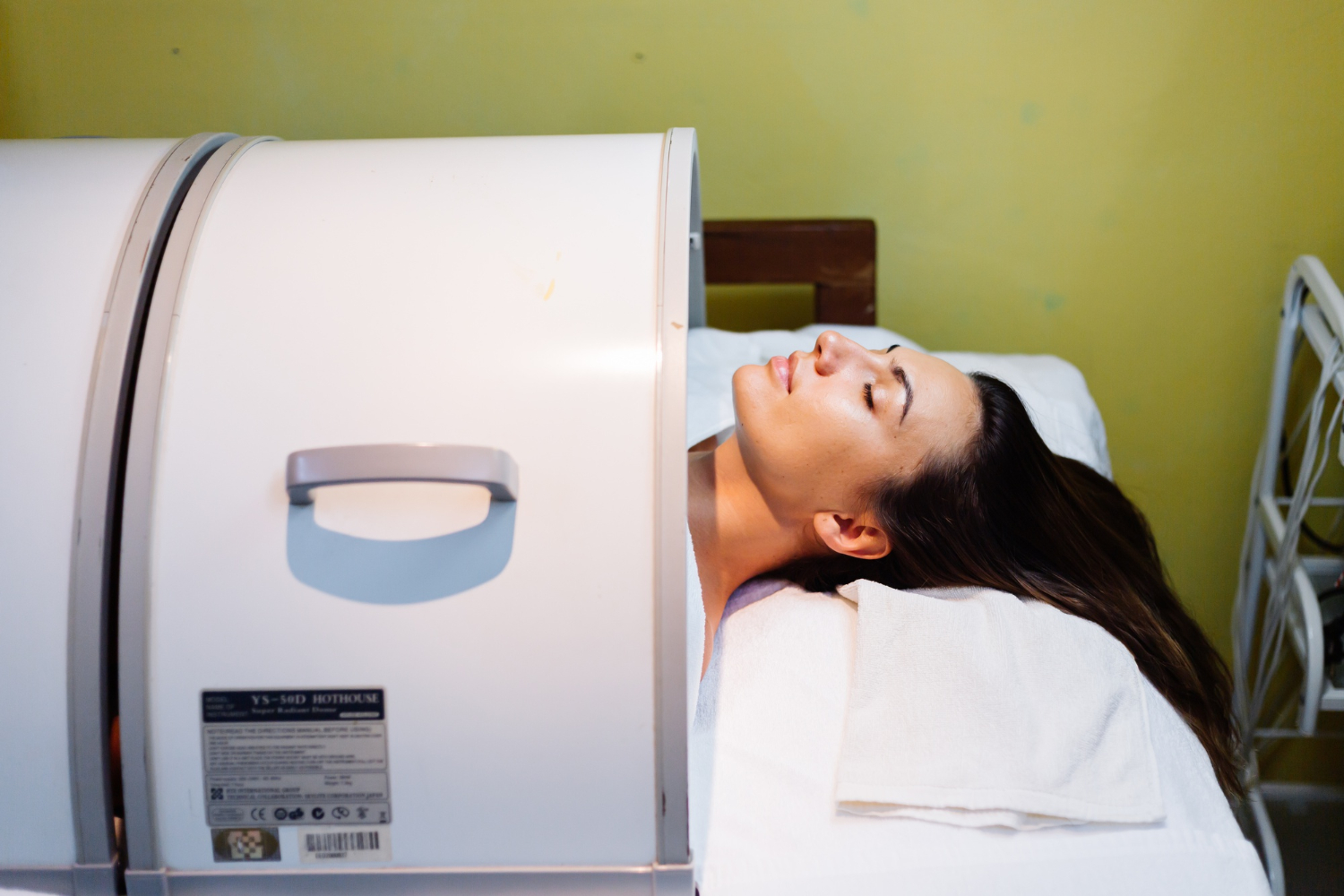
Why Light Dosage Matters When Evaluating Red Light Therapy Treatments Why Light Dosage Matters When Evaluating Red Light Therapy Treatments
Red light therapy is often discussed in terms of wavelength and treatment duration, but the amount of light energy delivered to the body matters as much. Dosage affects how much energy reaches the targeted tissue and can shape the biological response, making it essential when comparing treatment approaches. The medical-grade red light therapy also depends on factors such as light intensity, device output, exposure distance, and consistency between sessions. Two devices operating at similar wavelengths may deliver very different amounts of energy depending on their specifications and application. Understanding these differences helps explain why dosage matters when evaluating red light therapy treatments and why device quality alone does not determine a treatment protocol’s effectiveness.
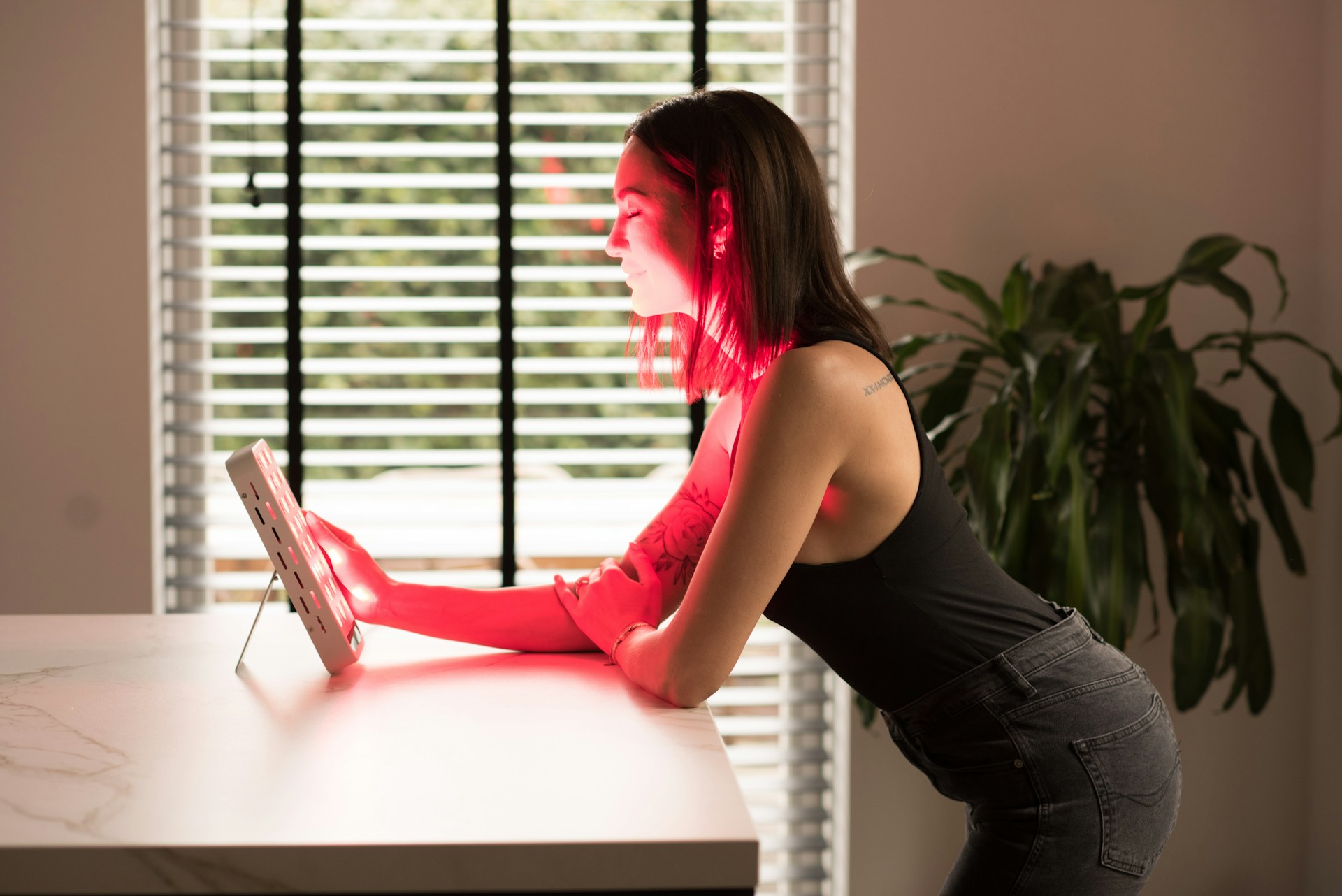
The Relationship Between Light Intensity and Exposure Time
Light intensity and exposure time work together to determine the total energy delivered during a red light therapy session. Irradiance, commonly measured in milliwatts per square centimeter, describes the power of light reaching a specific surface area. Dosage is calculated by combining irradiance with exposure duration. Consequently, a device delivering higher irradiance can deliver the same energy dose in less time than a lower-intensity device. However, this relationship assumes that the measured intensity accurately represents the light reaching the treatment area. Distance, device positioning, beam distribution, and surface characteristics can affect actual exposure, so interpret published device specifications carefully.
Why Biological Responses Depend on Dosage
Red light therapy is often discussed in relation to photobiomodulation, a process in which cells respond to particular wavelengths of light. Research …