Why Light Dosage Matters When Evaluating Red Light Therapy Treatments
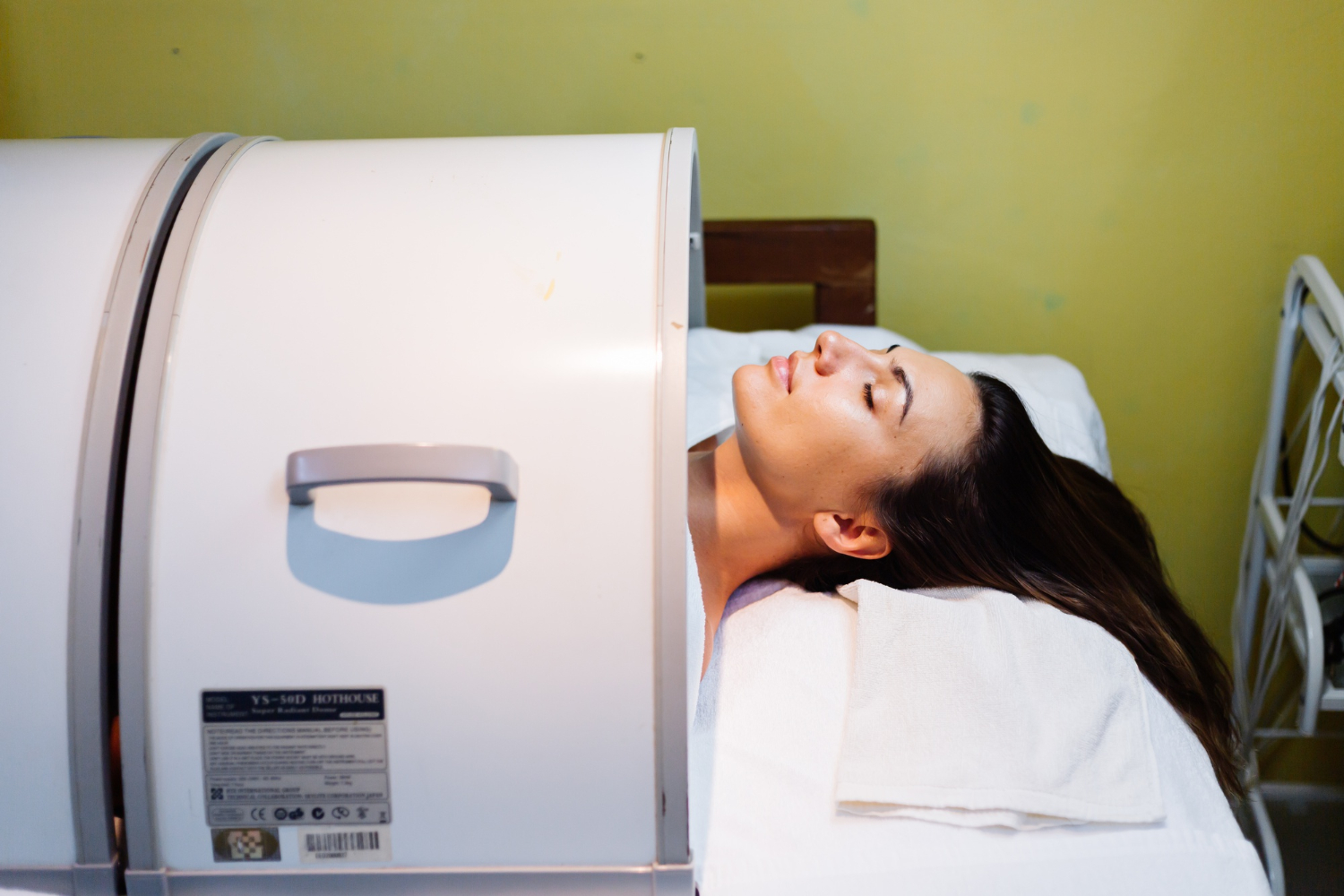
Red light therapy is often discussed in terms of wavelength and treatment duration, but the amount of light energy delivered to the body matters as much. Dosage affects how much energy reaches the targeted tissue and can shape the biological response, making it essential when comparing treatment approaches. The medical-grade red light therapy also depends on factors such as light intensity, device output, exposure distance, and consistency between sessions. Two devices operating at similar wavelengths may deliver very different amounts of energy depending on their specifications and application. Understanding these differences helps explain why dosage matters when evaluating red light therapy treatments and why device quality alone does not determine a treatment protocol’s effectiveness.
The Relationship Between Light Intensity and Exposure Time
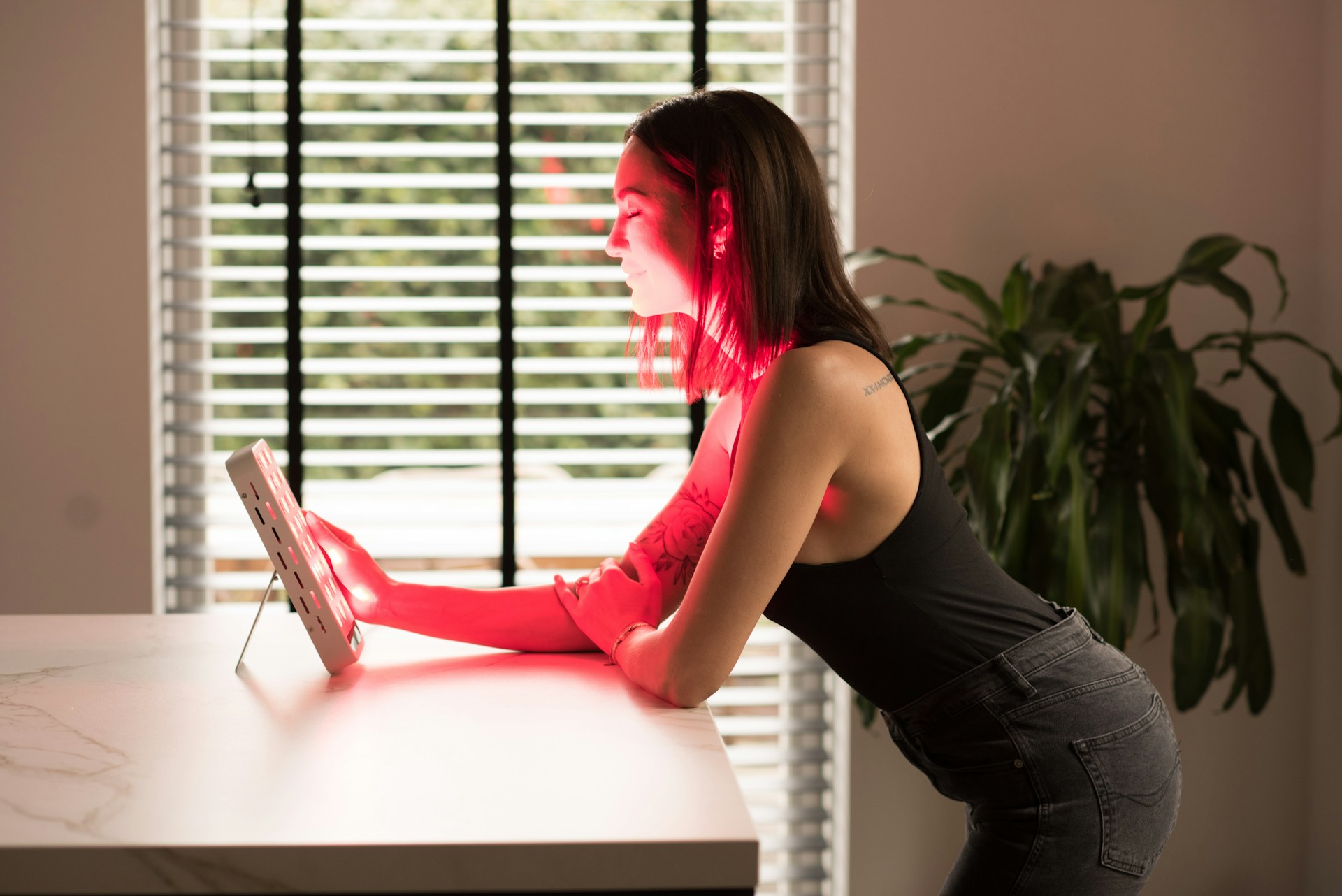
Light intensity and exposure time work together to determine the total energy delivered during a red light therapy session. Irradiance, commonly measured in milliwatts per square centimeter, describes the power of light reaching a specific surface area. Dosage is calculated by combining irradiance with exposure duration. Consequently, a device delivering higher irradiance can deliver the same energy dose in less time than a lower-intensity device. However, this relationship assumes that the measured intensity accurately represents the light reaching the treatment area. Distance, device positioning, beam distribution, and surface characteristics can affect actual exposure, so interpret published device specifications carefully.
Why Biological Responses Depend on Dosage
Red light therapy is often discussed in relation to photobiomodulation, a process in which cells respond to particular wavelengths of light. Research suggests that light exposure can influence cellular processes involving mitochondria, energy production, and signaling pathways associated with tissue function. However, biological responses are not necessarily proportional to the amount of light delivered. Some experimental findings suggest a biphasic dose response, meaning that lower or moderate exposures may produce different effects from substantially higher exposures. This helps explain why increasing treatment intensity or duration does not automatically improve results. The response depends on factors such as wavelength, tissue characteristics, dosage, and the biological process being investigated.
Differences Between Devices and Treatment Measurements
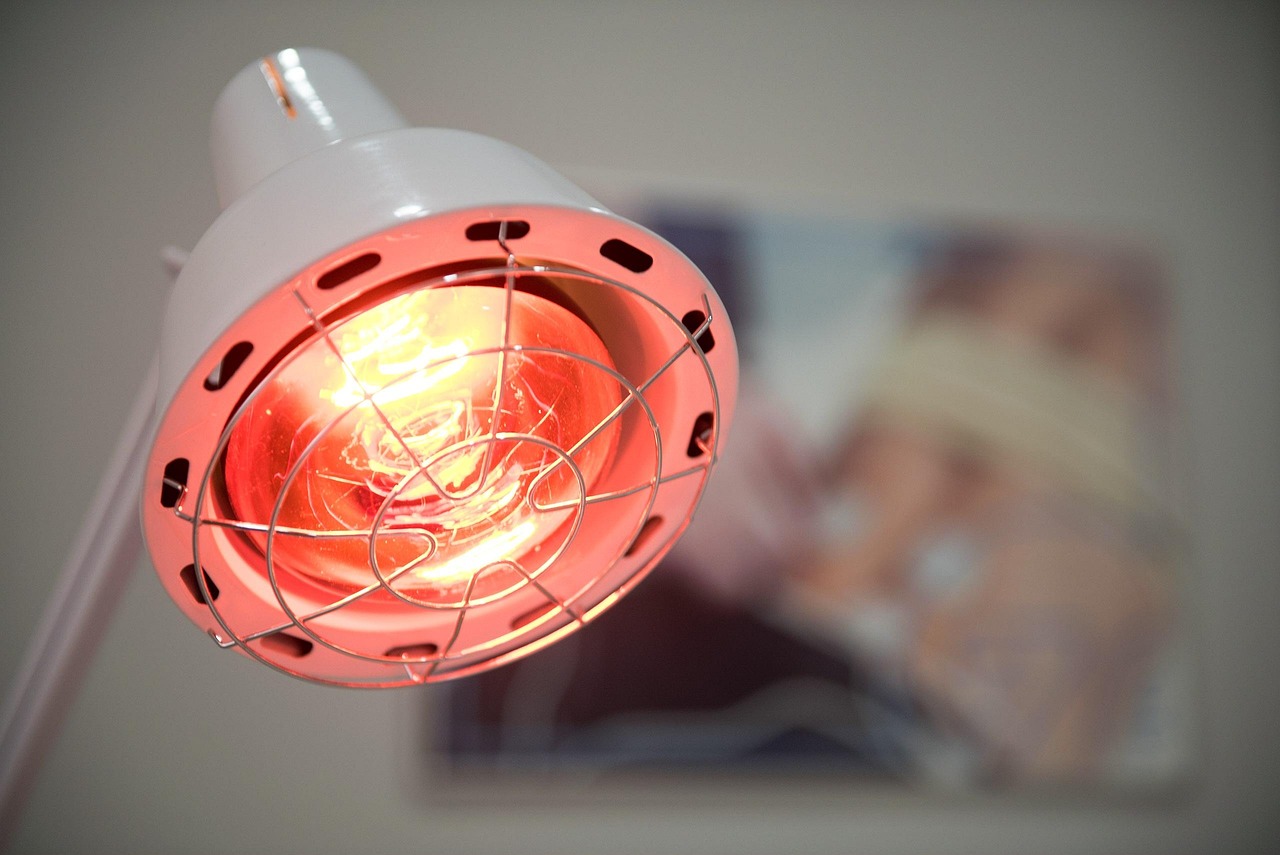
Evaluating red light therapy devices requires more than comparing their advertised power or treatment duration. Two products may use similar wavelengths while delivering different irradiance levels across their treatment surfaces. Some devices also combine red light with near-infrared wavelengths, which interact with tissue differently because of their distinct penetration characteristics. Measurement methods can also introduce differences, especially when manufacturers report maximum output rather than average irradiance across the treatment area. These variations make dosage information important when interpreting clinical research or comparing treatment protocols. Without reliable measurements, it becomes difficult to determine whether two treatments provide comparable light exposure, even when their advertised specifications appear similar.
Dosage and the Interpretation of Treatment Outcomes
Light dosage is also important when evaluating research findings and reported treatment outcomes. A study examining a particular condition may use a specific wavelength, irradiance, exposure duration, and treatment frequency. If another study uses substantially different parameters, its results may not be directly comparable. This creates challenges when interpreting claims about effectiveness because the term red light therapy covers a wide range of devices and treatment approaches. Clinical outcomes also depend on the condition being studied, participant characteristics, and research quality. Understanding dosage helps distinguish between treatments supported by specific experimental protocols and general claims that may not reflect the available evidence.
Light dosage is essential when evaluating red light therapy because it links exposure intensity and duration to the biological response being studied. Differences in wavelength, irradiance, device design, and treatment conditions can influence how much energy reaches the tissue. Understanding these variables provides a more accurate basis for comparing devices and interpreting research findings.
Related Post

Top Benefits of Osteopathic Medicine
Osteopathy is a holistic treatment procedure that is mainly used for the treatment of the [...]
Home Exercise for Fat Burning and Muscle Toning
Either you are an athlete of your chosen sport, or you are a regular guy [...]